In Thailand a helmet is compulsory for both rider and passenger: the fine is up to 2,000 baht, and if the passenger has no helmet, the rider pays double. Any helmet sold in the country must carry the mark of the Thai standard มอก. 369-2557. Beyond that, look for the European ECE 22.06: it’s stricter than the American DOT and the old ECE 22.05. Price and shell material say little about protection. A helmet certified to ECE 22.06 can be had for as little as 2,290 baht (Bilmola Rapid RS), and after certification, what matters most is how it fits your head.
What Thai law requires
Under the road traffic law, neither rider nor passenger may ride without a helmet, and the fine is up to 2,000 baht. If the passenger has no helmet, the rider’s fine is doubled. Since 1 June 2025 the police have been checking this nationwide, and the campaigns go on: in August 2026 Bangkok police were handing out helmets on the roads. The same rule applies on motorbike taxis. If the driver doesn’t give you a helmet, you’re better off turning the ride down; more in our guide to taxis.
The Thai motorcycle helmet standard is มอก. 369-2557. It’s mandatory: manufacturers and importers have to put its mark on the helmet. The standard tests impact absorption, strap strength and stretch, how well the helmet stays on the head, field of vision and visor transparency. A visor that lets through less than 80% of light is marked “daytime use only”. If a helmet has no มอก. mark, that alone is reason to walk past it.
Which certifications to look for
- มอก. 369-2557: the Thai minimum. Without it, a helmet can’t be sold in the country.
- ECE 22.06: the current European standard. Adopted in 2020, compulsory for new helmets in Europe since 2024. Compared with 22.05 it adds an oblique impact test with a rotational acceleration check, a steel ball fired at the visor at 60 m/s, testing together with accessories, and the year of manufacture marked on the helmet.
- ECE 22.05: the previous version of the same standard. Acceptable, but 22.06 is stricter.
- DOT (FMVSS 218): the US mandatory minimum. It tests direct impacts, penetration and the strap. There’s no rotational test, and the manufacturer certifies the helmet itself.
- JIS and Snell: the Japanese standard and the independent American one. You see them less often, and they’re a good sign.
Price and material aren’t what matters most
The familiar ladder of “ABS, polycarbonate, composite, fibreglass, carbon” tells you little about protection. SHARP, the British government’s helmet testing programme, says plainly that shell material is only one detail, and that the expanded polystyrene (EPS) liner and the fit matter just as much. There’s no link between a helmet’s price and its SHARP rating. A thermoplastic helmet with ECE 22.06 can protect you as well as an expensive composite one.
So choose in this order: certification first, then fit. The helmet should sit snugly, not press on your forehead or temples, and not shift when you twist it on your head. Only then look at ventilation, visor and weight.
Example models
Prices as of September 2026 at Thai shops and dealers.
Bilmola Rapid RS — about 2,290 baht
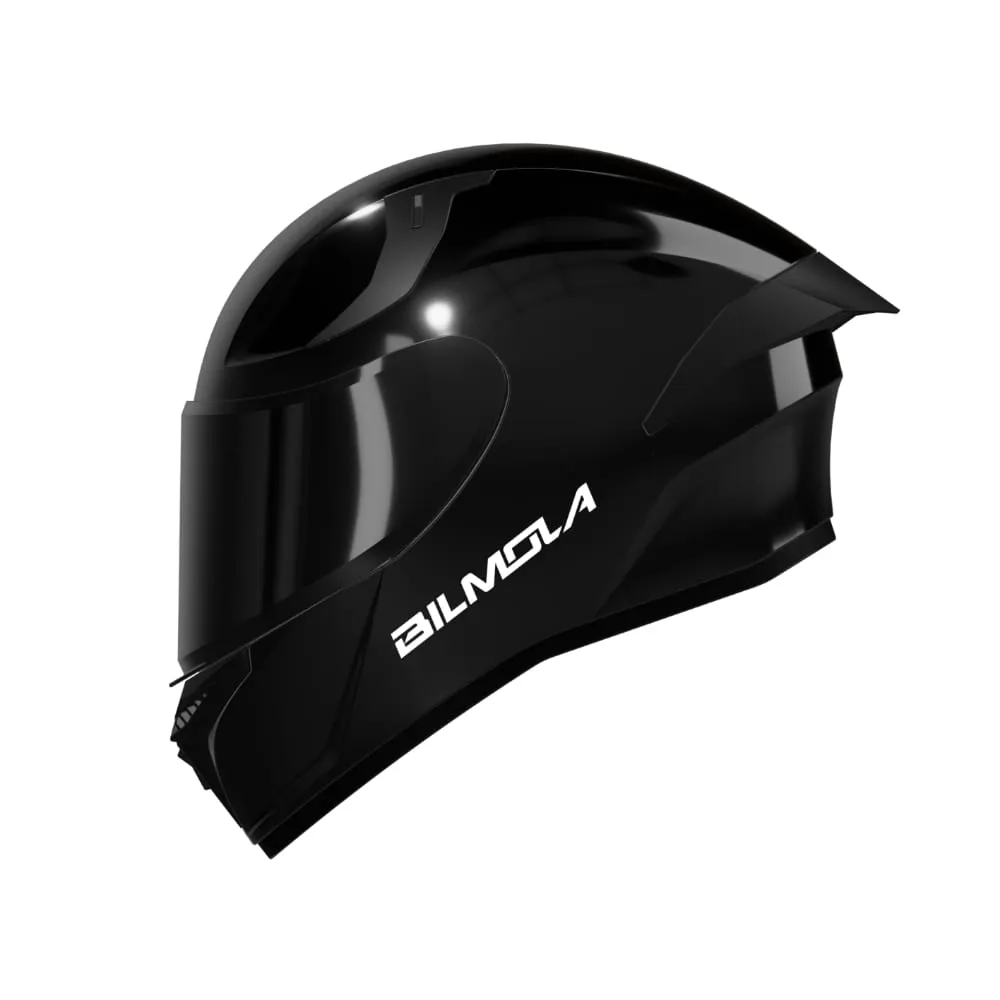
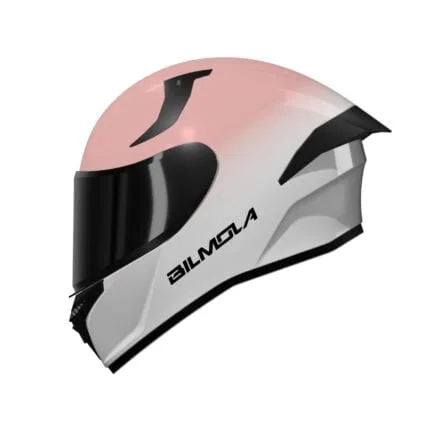
Bilmola’s official website lists ECE 22.06 for the Rapid RS; older batches in shops carry ECE 22.05 and the Thai มอก. 369-2557, so check the sticker on the actual helmet. Impact-resistant thermoplastic shell, weight 1,500–1,580 g, removable liner, Stepping Lock strap buckle. For the money, it’s an honest certified full-face helmet, not a “stopgap”.
HJC i91 — about 9,500 baht
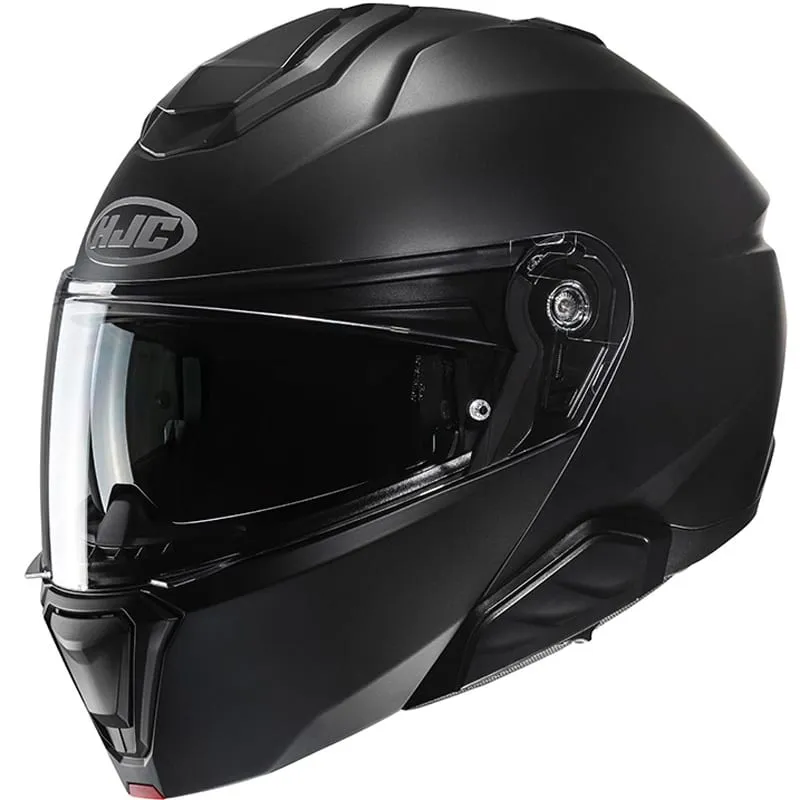
A modular helmet: the chin bar flips up, which is handy in town and at the petrol station. Polycarbonate composite shell, ECE 22.06 certification, removable antibacterial liner, built-in sun visor. Thai dealer BKK Speed sells it for 9,500 baht with a Pinlock included. “HJC” listings on marketplaces are noticeably cheaper, which is a reason to check whether it’s the same model and whether it carries the มอก. mark.
Bell Lithium — a premium full-face helmet
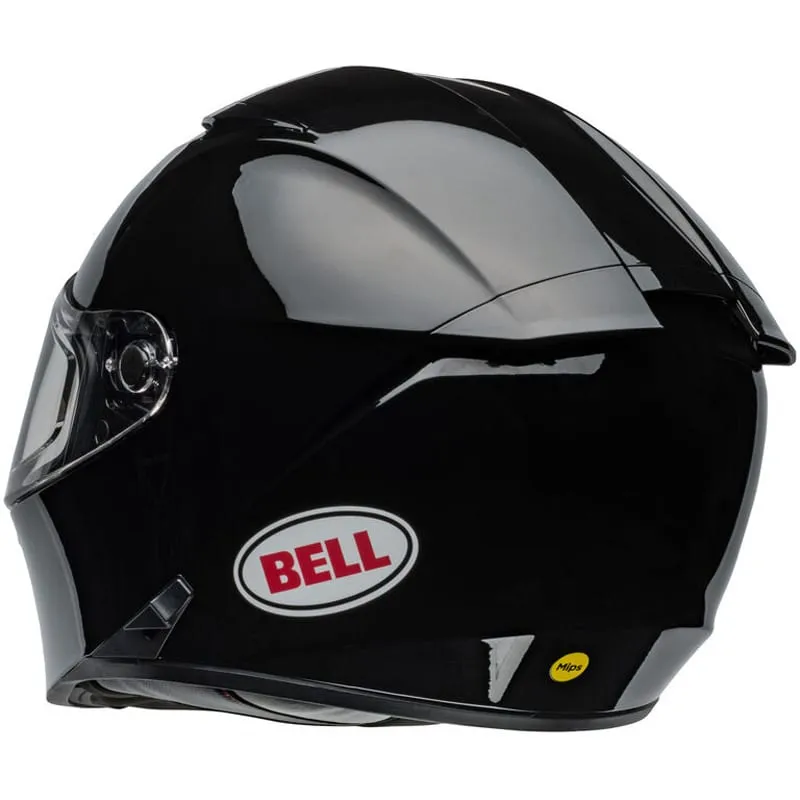
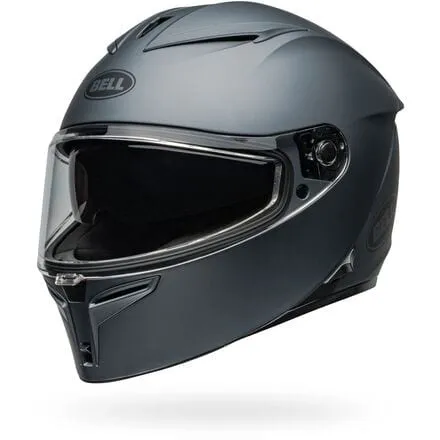
Polycarbonate shell, DOT and ECE 22.06 certifications, removable antibacterial liner, four closable air intakes, Pinlock included. Four stars out of five in SHARP tests in August 2025. In the US it starts at $180; check the Thai price with the dealer. If you see a “Bell” with the Chinese 3C certificate, it isn’t a Lithium: the genuine one doesn’t have it.
AGV, Shoei, Arai, Simpson — the top segment
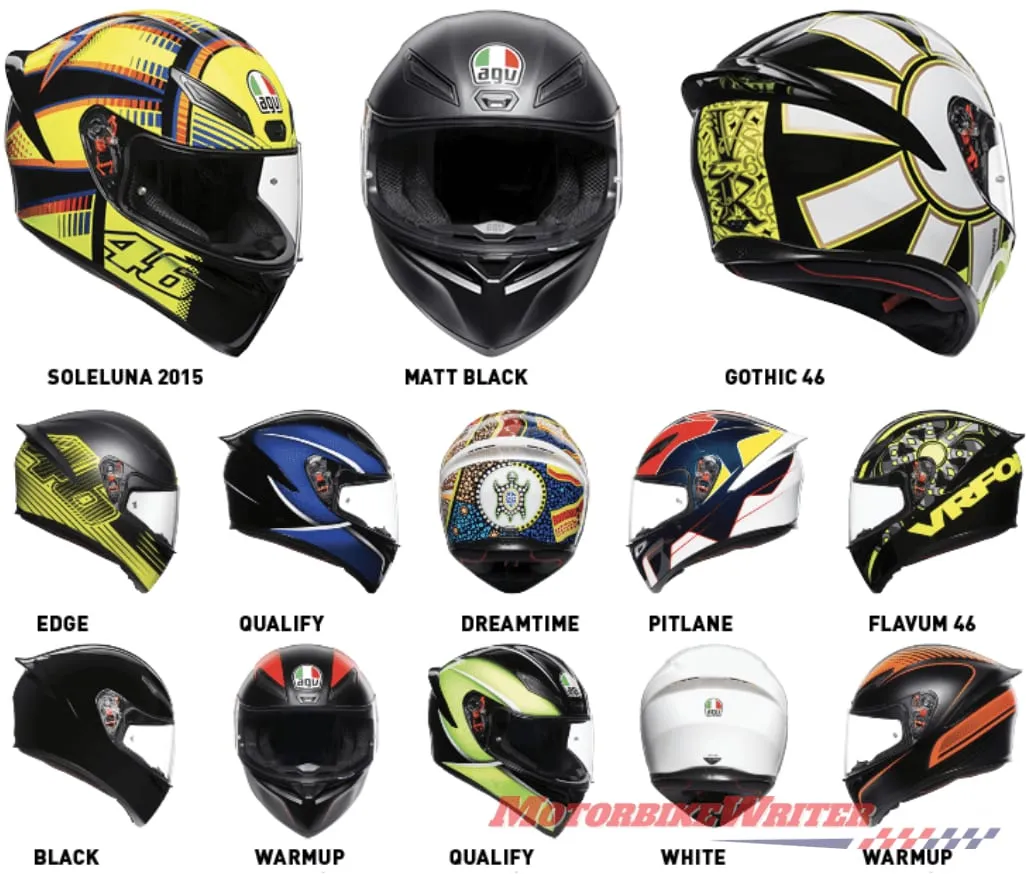
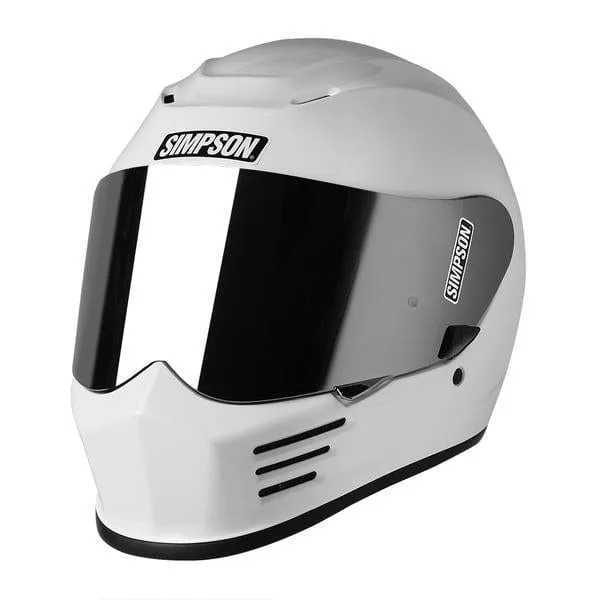
Precise fit, visor optics, noise insulation and stability at speed: that’s what you pay for in this segment. Getting into it doesn’t have to be expensive. The AGV K1 S, with ECE 22.06, DOT and the Japanese JIS, costs 7,490 baht at the Thai shop Real Riders, and its shell is thermoplastic too. Top Shoei and Arai models cost several times more.
Where to buy
The safest bet is official dealers and large motorbike shops. Marketplaces have plenty of helmets passing themselves off as well-known brands, so before you buy, check the model name against the manufacturer’s website and look for the มอก. mark. A helmet with no standard marking, without a thick layer of expanded polystyrene inside, or costing a few hundred baht isn’t protection. It’s a hat.
Gloves get an article of their own: why motorbike gloves aren’t an accessory.
Useful articles and discussion here (chat in Russian)